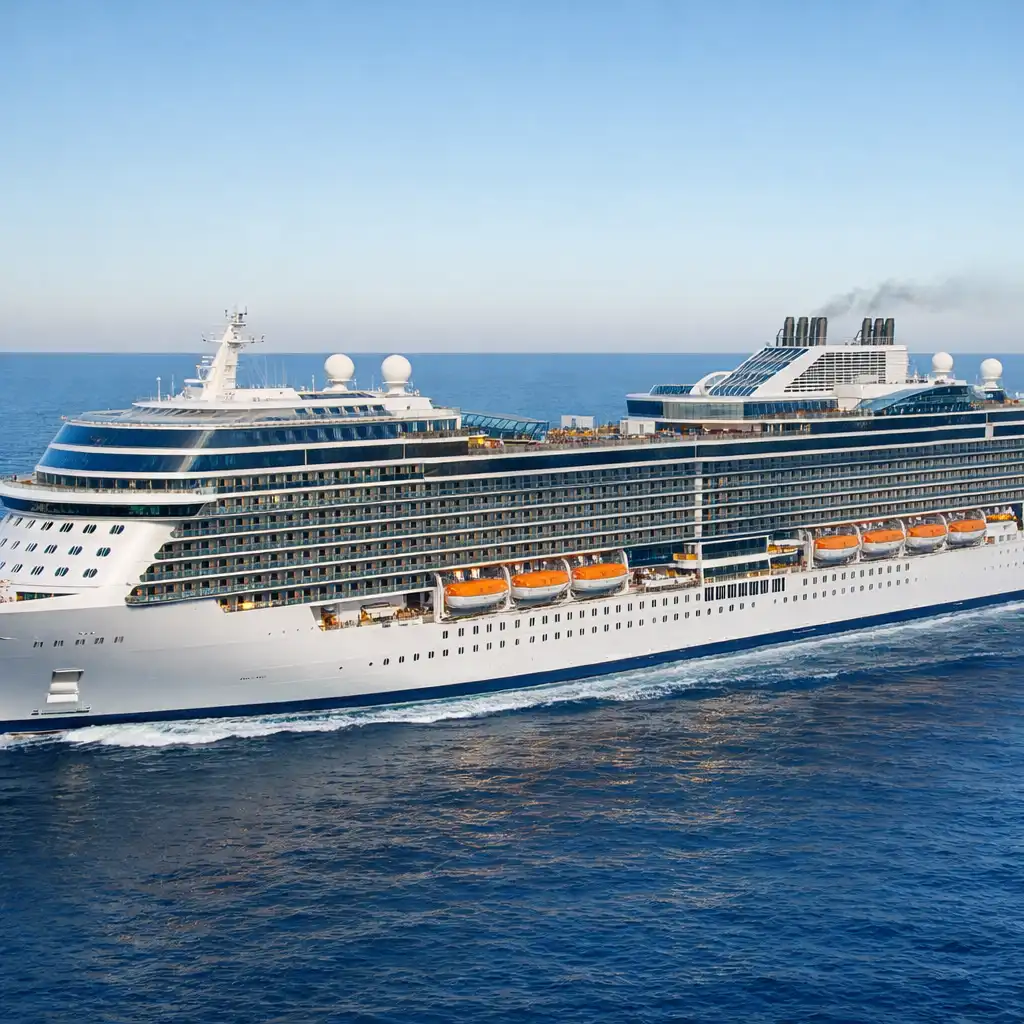
Review cabin placement, nearby lifts, likely noise and the route to public decks.
Open cabin guideVessel orientation
A practical way to inspect a cruise ship
Cruise Berth is ADSIGHT LTD's cruise-ship information portal for readers who want to understand a vessel by area, circulation and passenger use. It is a practical reference rather than a lifestyle cruise magazine.
Use the guides to trace vessel layouts, cabins, dining rooms, bars, lounges, entertainment, recreation, deck infrastructure, passenger services and casino facilities. Each subject is treated as part of a connected ship, helping you see how spaces are arranged and what to expect when moving between them onboard.
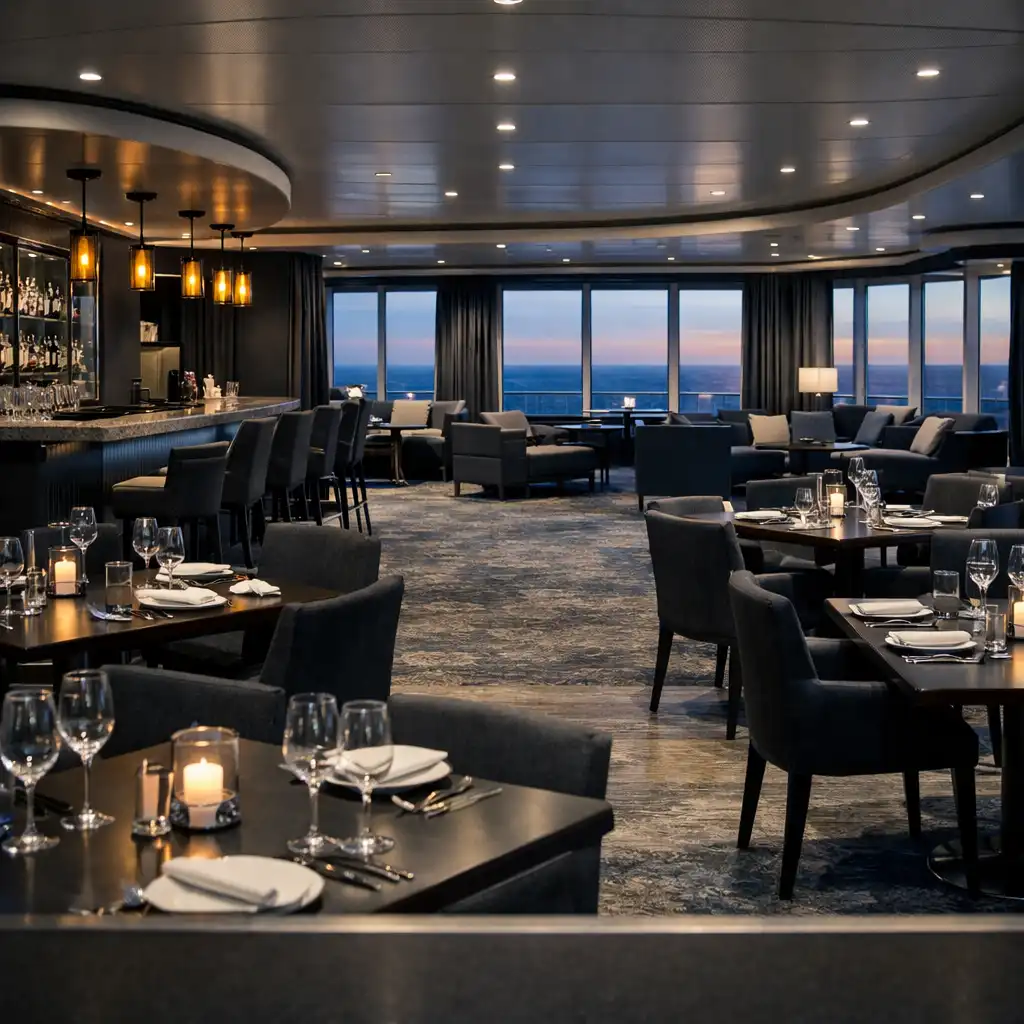
Trace dining zones, venue distribution and access between meals, bars and lounges.
Open dining guideLocate entertainment, recreation and the circulation around upper-deck activity.
Open leisure guideInspect poker where available, roulette and blackjack as facility categories within the evening deck.
Open casino guideInspection routes
Choose an inspection route
Start with the part of the vessel that shapes your routine. Each route explains relationships between decks and spaces instead of treating venues as an isolated list.
Read the vessel from deck to deck
Use forward, midship and aft references alongside lifts, stairs and public-deck circulation. Deck-plan guidance helps reveal the infrastructure behind a readable route.
Explore ship layoutsMatch a cabin to your routine
Compare location, motion, lift and stair proximity, views and likely ambient noise before category names or finishes take over the decision.
Explore cabin guidanceTrace the dining and lounge network
Separate main dining rooms, casual food areas, bars and quieter lounges, then consider timing, dress expectations and reservation context where relevant.
Explore dining spacesLocate activity and quiet time
Check where theatres, pools, observation areas and sport spaces sit. Daytime use and evening circulation can make the same deck feel very different.
Explore recreationInspect casino facilities in context
Look at access, circulation, ambience and table-area organisation for poker, roulette and blackjack facilities without separating them from nearby venues.
Explore casino facilitiesDeck sequence
Follow the onboard deck sequence
Deck numbers and placement vary by ship, but a useful inspection follows the links between accommodation, public rooms, upper decks and evening facilities.
Cabin decks: rest, access and position
Interior, ocean-view, balcony and suite labels often organise accommodation, but location matters too. Inspect proximity to service areas, lifts and stairs before tracing routes to dining and public decks.
Cabin guideDining decks: movement between meals and meeting places
Dining can spread across several decks. Distinguish through-traffic bars from quieter seated lounges and note how each space connects to the surrounding public route.
Dining guideEntertainment decks: arrive, orient, disperse
Theatres, music spaces and adjacent bars can shape evening flow. Inspect entrances, arrival timing and the way audiences move away from seating after an event.
Entertainment guideUpper decks: weather, views and active leisure
Pools, observation points and infrastructure share exposure to sun and wind. Separate active pool zones from quieter view spaces, and consider their distance from cabins.
Recreation guideCasino zones: table areas within the evening deck
Casino placement varies. Poker rooms or tables where available, roulette and blackjack should be read through access routes, ambience and separation from nearby venues.
Casino guideDining zones
Dining is a network, not a single room
Destination dining rooms, casual food areas and bars each support a different use case. A restaurant may frame a seated meal pattern, while a casual venue can suit flexible timing and a bar may also serve as a pass-through or pre-event gathering point.
Before boarding, inspect how far those areas sit from cabins, the theatre and pool decks. That relationship often says more about a daily routine than a venue name alone.
What to check before you choose a routine
- See whether venues are clustered or distributed across decks.
- Trace access from cabin areas and activity zones.
- Decide whether a lounge suits a quiet break or an evening transition.
Leisure and entertainment
Read the leisure and entertainment deck
Assess daytime and evening facilities through position, access and likely activity around them. Specialised venues vary by ship, so inspect the relationship between quiet and active zones.
Observation spaces
Check view access, shelter, seating and distance from pool traffic. Indoor and open-air conditions, wind exposure and location all affect use.
Read recreation guidePool and open-air leisure
Read circulation, weather exposure, seating density and nearby food or bar access. Upper-deck routes can become busy during active daytime periods.
Read recreation guideTheatre and show spaces
Locate entrances, seating orientation and adjacent bar traffic. These details clarify arrival flow without assuming a production schedule or fixed venue size.
Read entertainment guideFitness and active recreation
Fitness, sport and activity areas may be indoors or outside. Consider noise, travel time and access from accommodation decks when comparing them.
Read recreation guideCasino facilities
Casino spaces as part of the evening deck
A casino is one indoor evening facility among theatres, bars and lounges. Its location, sightlines and circulation are useful to inspect because table areas, seating and passing traffic can shape the feel of an adjacent public route.
Focus on how the facility is organised and reached, not on gaming outcomes. Configurations differ by vessel and should be considered alongside the broader evening plan.
Read the onboard casino guide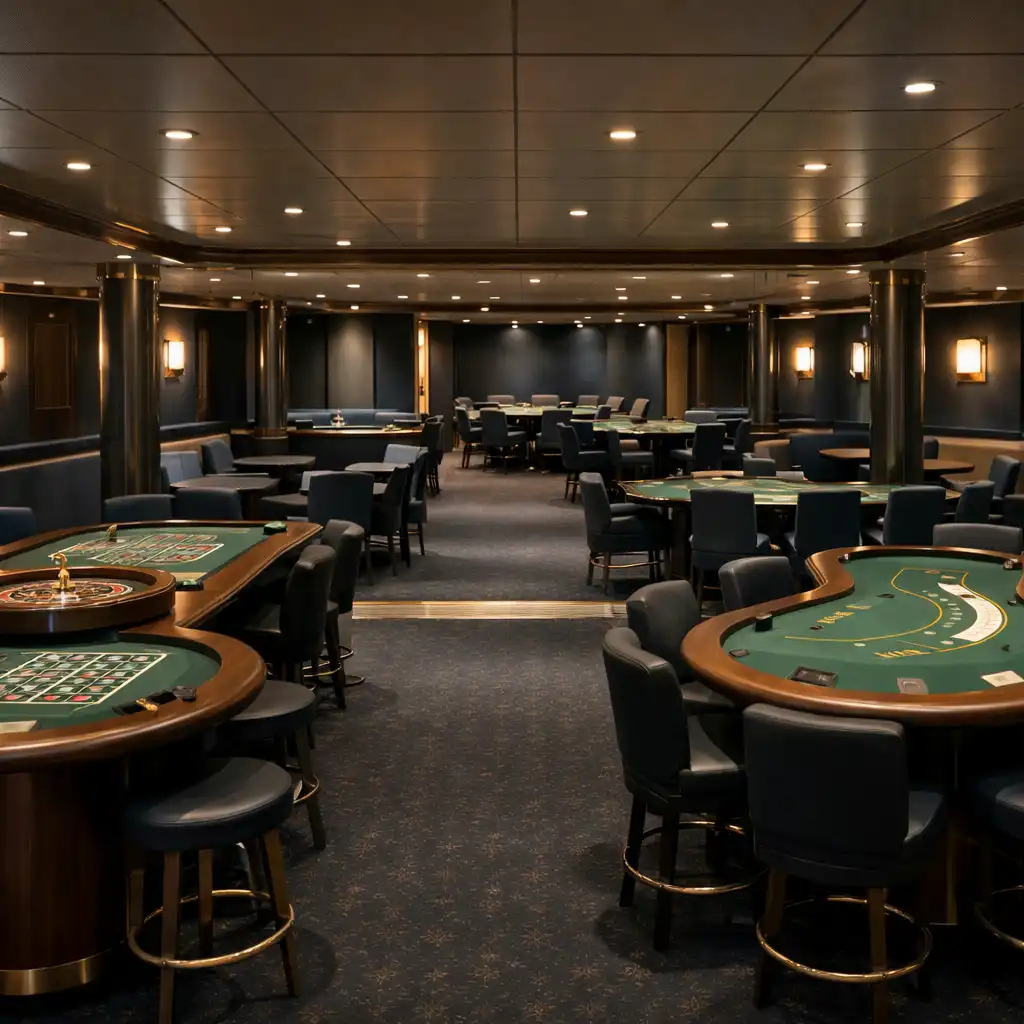
PokerA dedicated room or one or a few tables where available. Check its separation from general circulation.
RouletteOften a central table grouping; inspect clearance around the table area and routes through the room.
BlackjackLook at table spacing, seating and proximity to entrances or nearby public routes.
Passenger services
Use services and circulation as orientation points
Reception, guest services, lifts and stairs are practical anchors for routine onboard tasks. Locate them early, read nearby deck directories and use them to understand public-deck orientation.
Reception and guest services
Service arrangements vary by ship, but these areas can help confirm routes to key venues and nearby deck directories.
Read layout guidanceVertical circulation and corridors
Lifts, stairs and junctions connect cabins, dining and public decks. Identifying more than one route can clarify busy and quieter paths.
Read layout guidanceWayfinding details
Check deck numbering, directional cues and venue entrances. Small markers make it easier to keep an accurate mental map.
Read layout guidanceComparison
Compare spaces by how you will use them
A useful ship inspection compares location and passenger routine, not only the name of a facility. The same area can be convenient for one routine and disruptive for another, so compare access, atmosphere and time of day.
| Area | What to inspect | Useful for | Practical consideration |
|---|---|---|---|
| Accommodation | Cabin position, lift distance and ambient activity. | Planning rest and daily routes. | Check nearby public areas, views and likely movement. |
| Dining | Venue type, deck spread and route from evening spaces. | Building meal and meeting patterns. | Compare seated, casual, bar and lounge use. |
| Entertainment | Entrance, seating flow and nearby bar traffic. | Understanding evening movement. | Trace arrival and dispersal routes. |
| Open deck | Exposure, views and busy periods. | Pool, observation and rest time. | Separate active zones from quieter edges. |
| Services | Reception and vertical routes. | Orienting across public decks. | Identify more than one lift or stair route. |
| Casino | Access, ambience and table-area organisation. | Reading an evening facility in context. | Poker where available, roulette and blackjack vary by vessel. |
Facilities, deck numbers and arrangements vary by vessel.
FAQ
Resolve common inspection questions
Use these principles alongside the relevant ship information available to you. They are designed to improve orientation, not replace vessel-specific details.
Can one deck-plan guide apply to every cruise ship?
No. Deck numbers and venue positions vary, but the method still travels well: establish forward, midship and aft orientation, identify vertical circulation, then trace the relationship between cabins and public decks. This makes a plan easier to read without suggesting that every vessel shares one arrangement.
What matters most when comparing cabin locations?
Look beyond the category label. Compare location, routes to lifts and stairs, adjacent public areas, views and the activity likely to be nearby. A cabin can suit one passenger routine well while being less convenient for another, so trace the route you expect to use most often.
How can I distinguish dining, bar and lounge spaces?
Start with use pattern and access. Dining areas focus on meals, casual venues may support flexible timing, bars can be social circulation points, and lounges can offer seated lower-noise space. Timing, atmosphere and arrangements vary, so inspect the nearby route rather than assume universal hours or booking systems.
What does the casino guide help me inspect?
The casino guide covers the facility as part of the public deck: location, access, table layout and ambience. It explains poker rooms or tables where available, roulette and blackjack as configurations that vary by vessel, while keeping attention on circulation and nearby evening spaces.
End note
Build a complete picture before you board
The most useful ship assessment follows a sequence: locate the cabin, trace daily routes, identify public-deck transitions, then inspect specialised facilities in context. A ship is a connected environment rather than a list of attractions.
Cruise Berth is a structured ship-inspection and onboard-experience guide covering layouts, cabins, dining, entertainment, recreation, services and casino facilities. Use each guide to build a calm, practical picture of how the vessel may support your time onboard.